
The Power of Sport: How Sports Build Health, Character and Stronger Communities
Niger Delta Reporters Staff
26 August 2026, 3:13 PM
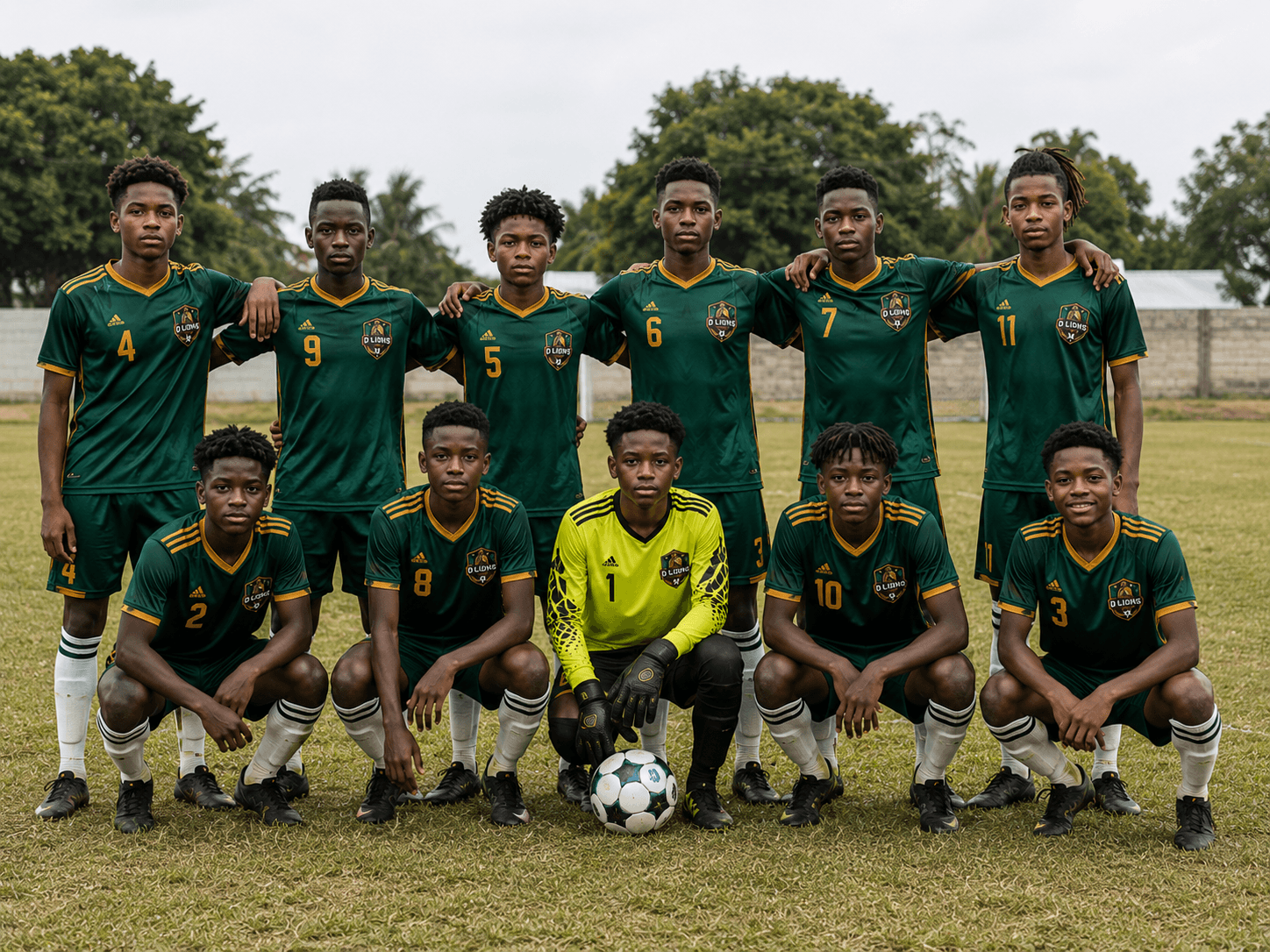
Sport is much more than competition, trophies and winning matches. It is a powerful tool for developing healthier individuals, building confidence, teaching discipline and bringing communities together.
From football and basketball to athletics and other forms of physical activity, sport gives young people an opportunity to learn valuable lessons that can stay with them throughout life.
Sport Builds Healthy and Active Young People
Regular physical activity plays an important role in the healthy development of children and teenagers. Research shows that physical activity can improve cardiovascular fitness, strengthen muscles and bones, support brain health and contribute to overall well-being.
For children and adolescents, the World Health Organization recommends an average of at least 60 minutes of moderate-to-vigorous physical activity each day throughout the week. Sports such as football can be an enjoyable way for young people to achieve this level of activity.
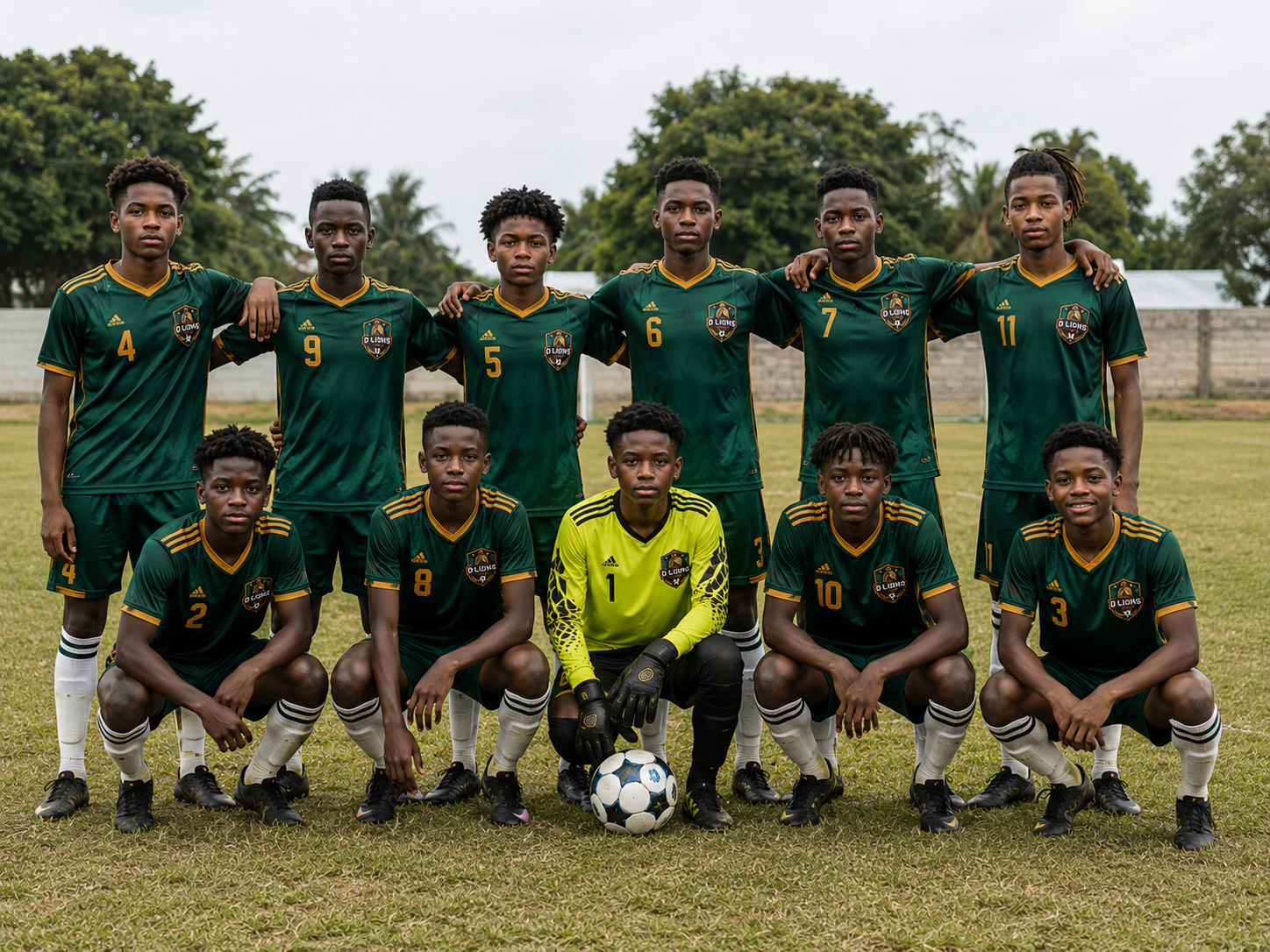
Sport Teaches Discipline
Becoming a good athlete requires consistency. Players must attend training, listen to their coaches, practise their skills and learn from their mistakes.
These habits can extend beyond the football pitch. A young player who learns to arrive on time for training, work toward a goal and remain committed after a difficult loss is developing qualities that can also help in school, work and everyday life.
Sport teaches children that improvement does not happen overnight. It comes through patience, practice and determination.
Sport Develops Teamwork and Leadership
One of the most valuable lessons sport teaches is how to work with other people.
In football, no single player can win a match alone. Players must communicate, trust one another, understand their individual responsibilities and work toward a common objective.
Young athletes can also develop leadership, communication, goal-setting and relationship-building skills through sports participation.
A child who learns how to encourage a teammate, accept responsibility after making a mistake and support the team during difficult moments is learning lessons that go far beyond sport.
Sport Builds Confidence
Stepping onto a football pitch can be challenging for a young player. There may be moments of pressure, mistakes and disappointment. But every training session and every match provides another opportunity to improve.
Scoring a goal, making a successful pass, learning a new skill or simply becoming better than they were the previous week can help young people develop confidence in their abilities.
Research on youth sports has also found positive associations between sports participation and psychological and social outcomes, including improved well-being and self-esteem.
Sport Creates Opportunities
For many young people, sport can open doors to new friendships, mentorship, education and personal development.
A football academy or community sports club can provide more than a place to train. It can become an environment where children interact with positive role models, discover their talents and learn how to set goals for their future.
This is particularly important when young people have access to safe, supportive and inclusive sporting environments.
Sport Is About More Than Winning
Winning is exciting, but it should not be the only measure of success.
A young player who becomes more disciplined, learns to respect teammates and opponents, develops confidence and continues working after failure is already achieving something valuable.
The greatest impact of youth sport may not always be visible on the scoreboard. Sometimes, the real victory is the character a young athlete develops along the way.
Building the Next Generation Through Sport
Investing in youth sports is an investment in young people.
When children have opportunities to participate in sport, they are given a platform to stay active, develop skills, build relationships and discover what they are capable of achieving.
Football, in particular, has the power to bring young people together around a shared goal. With proper coaching, discipline and encouragement, today's young players can develop into tomorrow's athletes, leaders and responsible members of society.
Sport does not simply create players. It can help create confident, disciplined and resilient people.
That is why every child deserves the opportunity to play, learn, develop and dream.
More in Sports